01Overview
Our approach recognises that pupils with SEMH needs benefit from learning that is relevant, discussion-based, and connected to real-life experiences.
Teaching is carefully structured to promote curiosity, respect, and engagement, creating a safe environment where pupils can explore ideas, values, and social responsibility at a pace appropriate to their individual needs.
02What pupils learn

History, geography and RE
The curriculum integrates history, geography, religious education, and citizenship to help pupils understand societies, cultures, beliefs, and the impact of human choices over time.
- History
- Geography
- Religious education

Discussion and debate
Learning is enriched through discussion, debate, case studies, and real-world examples, supporting the development of critical thinking, empathy, and moral reasoning.
- Discussion
- Debate
- Case studies
- Real-world examples
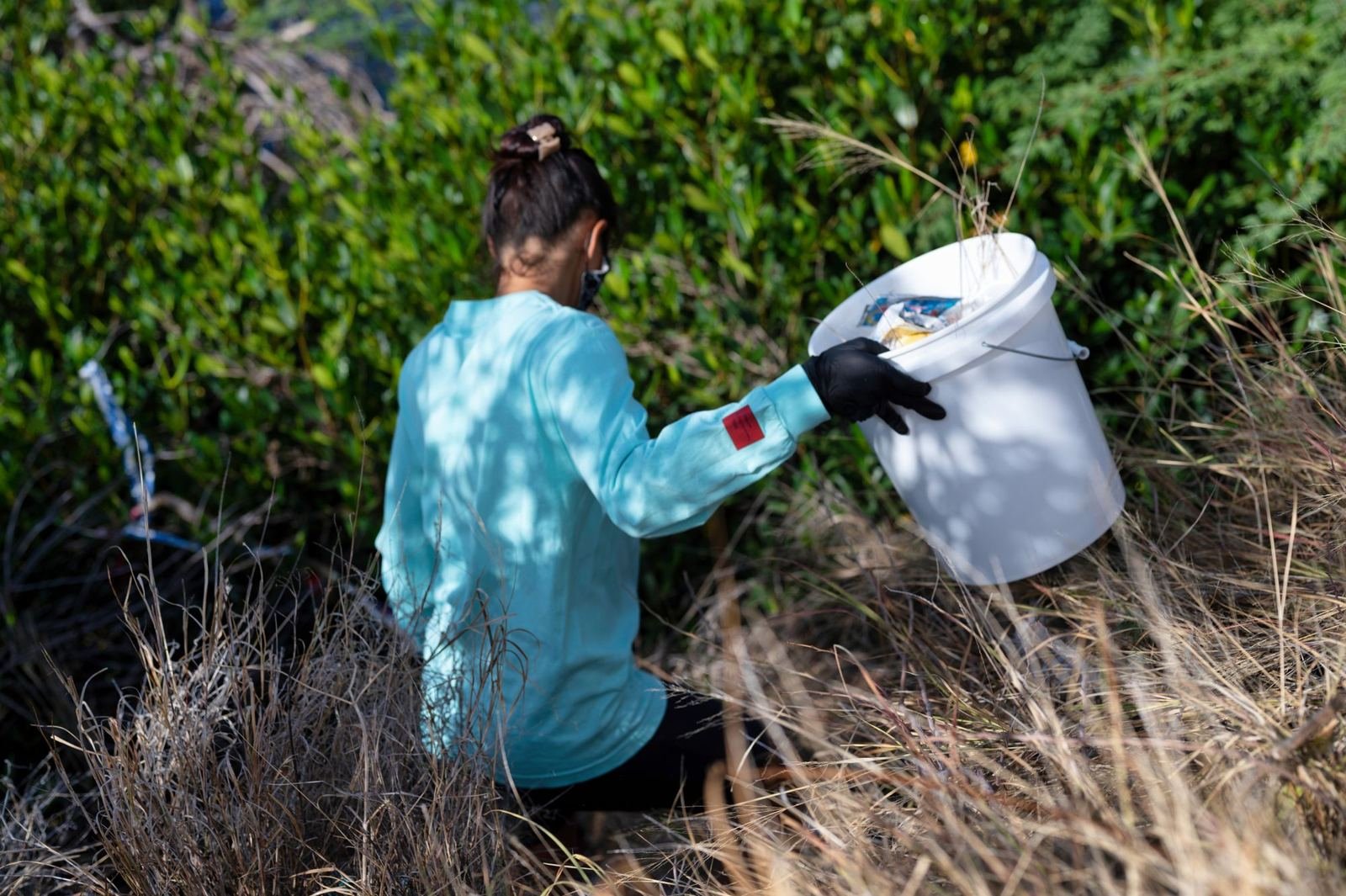
Citizenship
Citizenship education plays a key role in helping pupils understand rights, responsibilities, democracy, and British values, empowering them to participate positively in school and wider society.
- Rights and responsibilities
- Democracy
- British values
03Key points
- Exploring people, places, beliefs and societies through discussion and reflection.
- Developing empathy, moral reasoning and social awareness.
- Promoting active citizenship and understanding of rights and responsibilities.
04Learning pathways
Humanities, RE, and Citizenship at LCE Academy are developed not only as academic subjects, but as foundations for personal development, social awareness, and ethical understanding.
- Increasing depth and accreditation through the tiers
Through personalised teaching and reflective learning, pupils build confidence in expressing opinions, respecting diversity, and making informed decisions.
This curriculum supports pupils to become thoughtful, respectful, and responsible individuals, prepared to engage constructively with their communities and the wider world.