01Overview
As a SEMH setting, our approach recognises the strong link between language, emotional regulation, and self-esteem, and is carefully adapted to meet the individual needs of each learner.
Teaching is structured, supportive, and engaging, creating a safe environment where pupils can develop essential literacy skills at their own pace.
02What pupils learn

Oracy
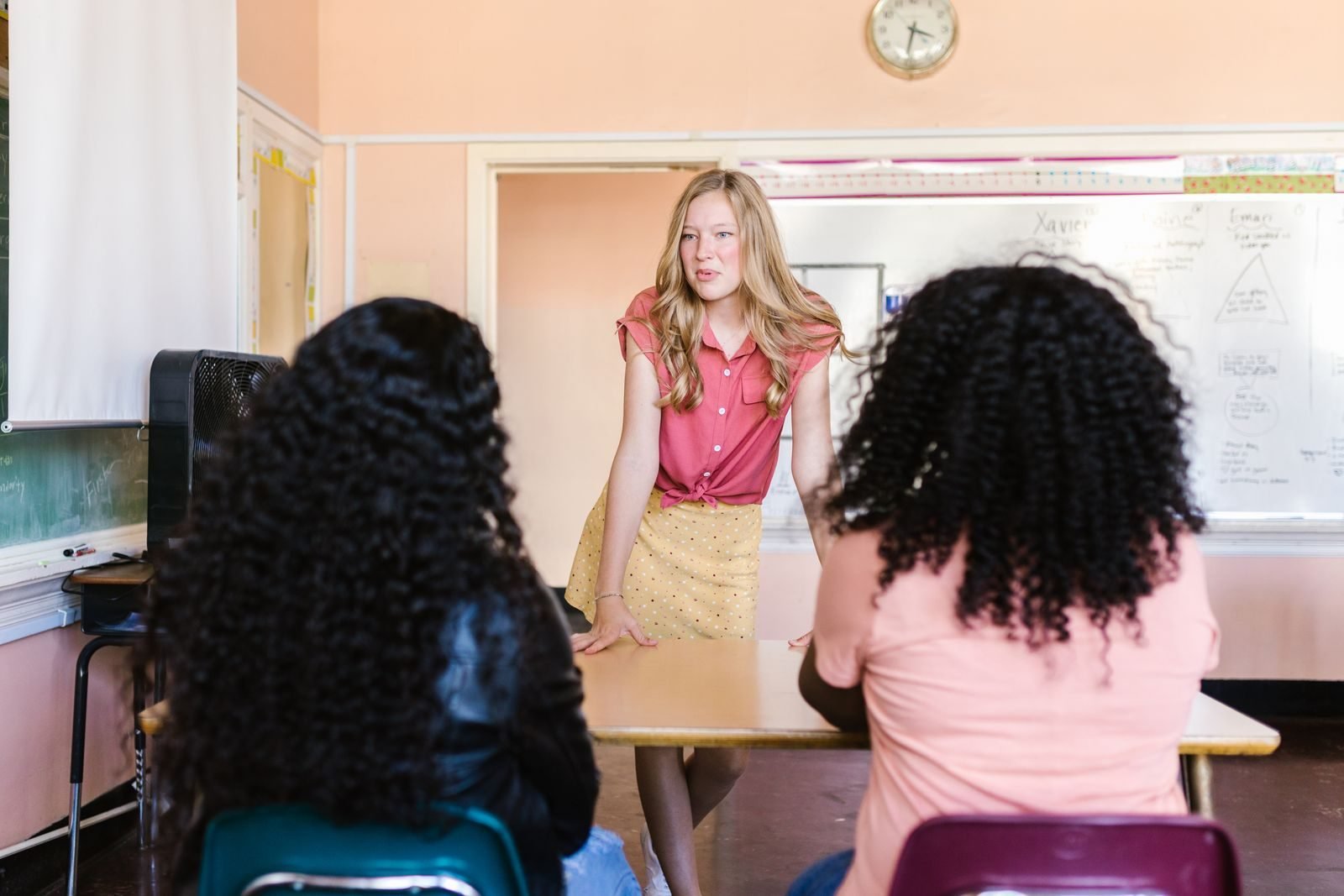
Our curriculum places strong emphasis on oracy, helping pupils to develop spoken language skills through discussion, presentation, debate, and structured conversation.
- Discussion
- Presentation
- Debate
- Structured conversation
Reading
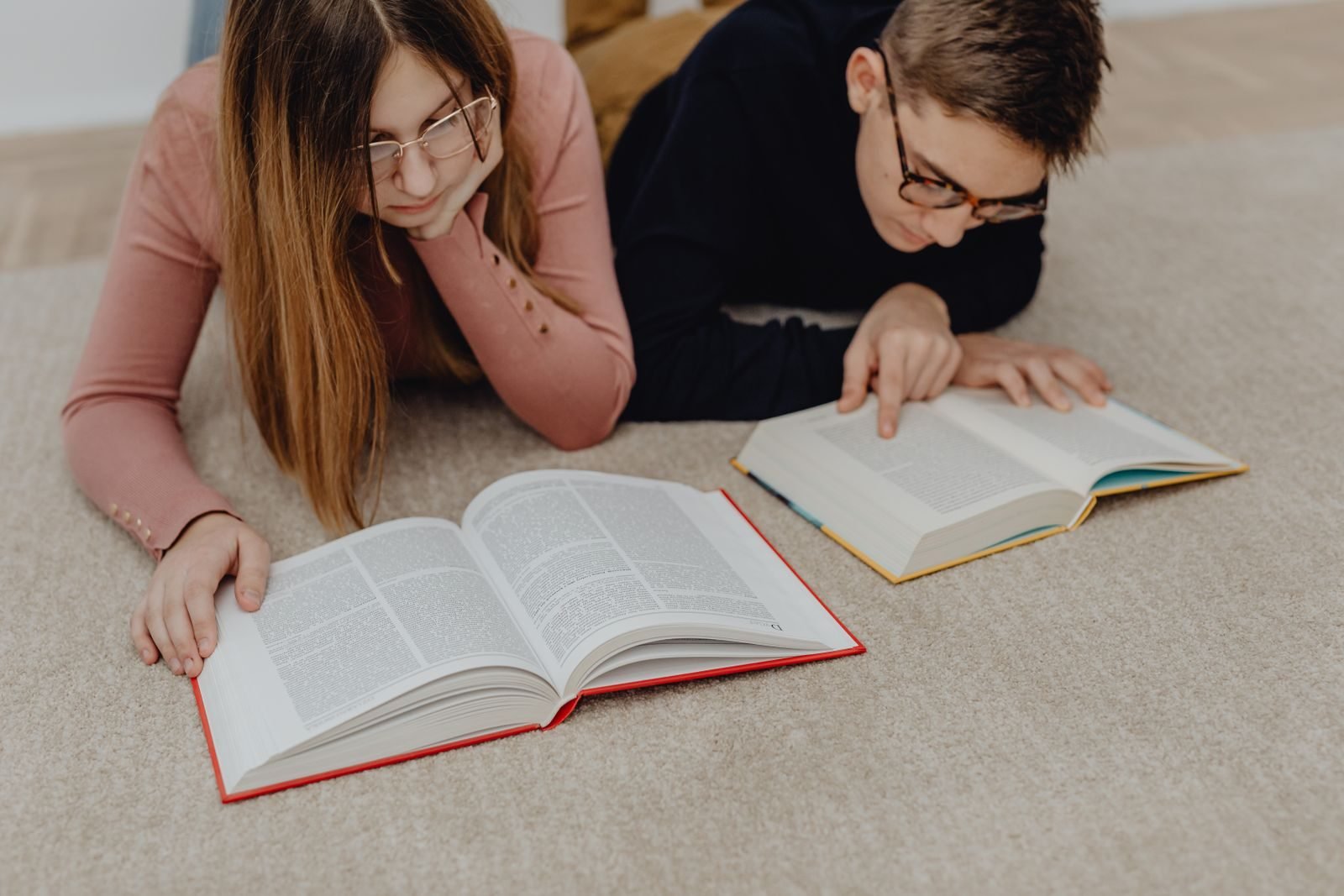
Reading is actively promoted through a focus on reading for pleasure, alongside targeted phonics and decoding support where required, ensuring pupils develop fluency, comprehension, and a positive relationship with texts.
- Reading for pleasure
- Phonics and decoding
- Fluency
- Comprehension

Writing
Writing is taught with a clear functional purpose, enabling pupils to apply their skills to real-life contexts such as letters, forms, emails, and creative expression.
- Letters
- Forms
- Emails
- Creative expression
03Key points
- Building communication, confidence and emotional regulation.
- Practical literacy through talk, reading and writing.
- Personalised pathways for future success.
04Learning pathways
Where appropriate, pupils are supported to follow accredited pathways including Functional Skills and GCSE English, with progression carefully matched to readiness and long-term goals.
- Functional Skills
- GCSE English
Literacy is developed not only as an academic subject but as a vital life skill that supports communication, independence, emotional expression, and future opportunities.
Through personalised teaching and high expectations, English and Literacy at LCE Academy empower pupils to find their voice and succeed both in and beyond the classroom.