We are a specialist provision supporting pupils with social, emotional and mental health needs, many of whom also have additional special educational needs and disabilities.
Everything you need to know about SEND at LCE Academy, in eight parts.
01
01 / Our approach
Trauma-informed. Relational. Embedded.
Pupils' needs are often complex, overlapping and change over time. We use a trauma-informed, relational model, and SEND provision is not separate from school life. It is embedded across curriculum, behaviour, safeguarding and pastoral systems.
Personalised Pathways
Learning tailored to each pupil’s needs, strengths and stage of development.
Holistic Support
Supporting every pupil academically, emotionally and socially.
Relational Approach
Trusting relationships, so pupils feel safe, regulated and ready to learn.
02
02 / Identifying needs
Behaviour is often a form of communication.
Identification focuses on understanding barriers to learning rather than labelling pupils.
1Previous information
From previous settings and the professionals who already know the young person.
2Baseline assessment
Carried out on entry, so we understand where each pupil is starting from.
3Ongoing observation
Continuous observation and assessment as pupils settle, grow and change.
4Pupil and family voice
Listening to pupils and working closely with their families.
SEMH profiles, regulation needs and learning behaviours
Input from families and other agencies
PlanAgreeing what will help
Personalised classroom strategies
Adjustments to curriculum, environment and routines
Clear targets for learning, regulation and independence
DoPutting support in place
High-quality adapted teaching
Targeted interventions delivered by trained staff
Consistent relational support and predictable routines
ReviewChecking what is working
Regular review of progress
Adjustments made where needed
Communication with families and professionals
04
04 / Support across the day
Built into everything.
Curriculum
A tiered curriculum model, with pupils accessing different tiers at different times. Accreditation routes reflect strengths and aspirations, with assistive technology where appropriate.
Accessibility
Reasonable adjustments to teaching and learning, routines and environments, and communication and support strategies.
SEND and safeguarding
Increased awareness, joined-up systems and trusted relationships. Our Designated Safeguarding Lead is Raheemot Kaffo.
SEMH and regulation
Predictable routinesClear expectationsTrusted key adultsDaily emotional check-insTailored strategiesMentoringELSA supportTherapeutic-informed support
All support is delivered within an educational framework and does not replace clinical or medical services.
Monitoring progress
Academic learning
Personal development
Emotional regulation
Readiness for next steps
Meaningful progress, academically, socially and emotionally.
Quick question
Does a pupil need an EHCP to receive SEND support?
Pupils do not need an EHCP to receive SEND support.
Where a pupil does have an EHCP:
Provision is aligned to the outcomes agreed in each plan.
Support is embedded across the whole school day.
We contribute fully to annual reviews with families, local authorities and professionals.
Every local authority publishes a Local Offer explaining the SEND support available in its area. Find your local council
The team around the pupil
Information is shared in line with safeguarding and data protection requirements.
01Educational Psychologists
And specialist advisory services.
02CAMHS
Mental health and therapeutic services.
03Local authority SEND teams
Working together on plans and reviews.
04Social care and early help
Joined-up support around the family.
05Families
Partners in every stage of the cycle.
Who leads SEND
Our SENDCo works with senior leaders, teaching and pastoral teams to make sure statutory duties are met, staff are trained, and pupils’ needs stay central to every decision.
Young people aged 11 to 16 with identified SEMH needs, many of whom also have additional special educational needs and disabilities.
Does my child need an EHCP?
Pupils do not need an EHCP to receive SEND support. Where a pupil has an EHCP, provision is aligned to its outcomes and embedded across the day.
How do you identify needs?
Through information from previous settings and professionals, a baseline assessment on entry, ongoing observation, and listening to pupils and families.
How is support reviewed?
Through a continuous Assess, Plan, Do, Review cycle, with regular communication with families and professionals.
Who leads SEND?
Our SENDCo, Lindsey Drews, working with senior leaders, teaching and pastoral teams. You can call the SENDCo on 07414 173028.
Do you replace CAMHS or therapy?
No. Our support is delivered within an educational framework and does not replace clinical or medical services. We work closely with CAMHS and therapeutic services.
What if I have a concern about SEND support?
Speak to our SENDCo first on 07414 173028. Most concerns can be sorted out quickly together. If not, our Complaints Procedure explains the next steps, and you can ask us for a copy.



 Lindsey DrewsAssistant Head and SENDCo
 George NewsomeDesignated Teacher and Assistant SENDCo
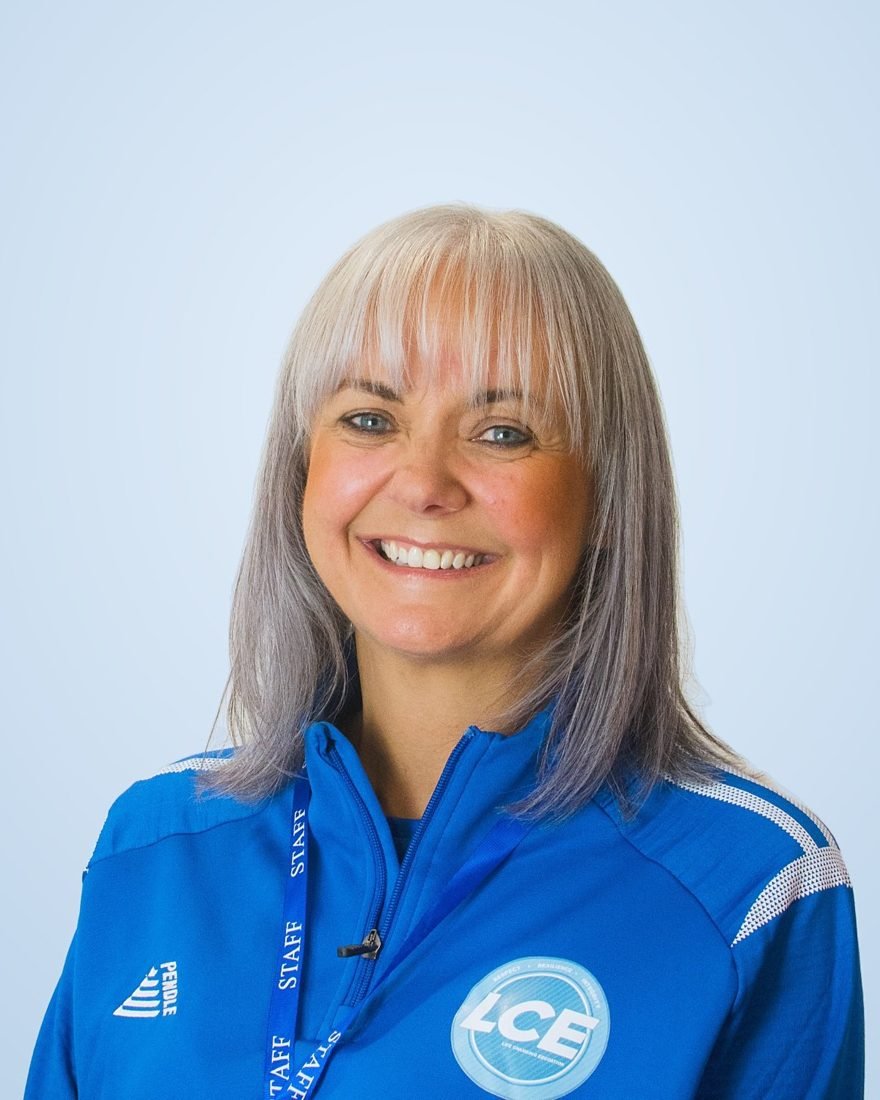 Helen PottsSpeech and Language Therapist
 Raheemot KaffoDesignated Safeguarding Lead